Pekka Rossi (UOULU/DIWA- FI)
Pekka M. Rossi has a 17 years’ experience on water supply studies including groundwater resources management. Rossi is concentrating in his studies on water supply and wastewater questions, especially on groundwater management, wastewater network integrity, different water quality/quantity monitoring methods for risk assessment and digitalization. He has a strong emphasis on interdisciplinary with previous research collaborating e.g. with ICT, sociology, ecology, and geology. In previous years Rossi has also led RESEM project, which concentrated on remote sensing monitoring of mining sites and mining water related structures.
Abstract: The Digital Waters Flagship
Digital Waters (DIWA) Flagship is a leading research and innovation ecosystem, bringing research and new innovations to support decision-making and management in the water sector - digitally. DIWA Flagship's goal is to secure water for people and ecosystems by implementing integrated and sustainable practices. Climate change, biodiversity loss, environmental pollution, and water scarcity require additional investments that will increase the value of water. DIWA Flagship also aims to cultivate a new generation of water sector leaders through the Digital Waters doctoral education pilot. In the DIWA PhD Pilot we have over 60 Doctoral Researchers across partner Universities, in collaboration with Finnish Research Institutes and Industry. The Digital Waters Flagship partnership is led by the University of Oulu, and it involves the University of Turku, Aalto University, the Finnish Geospatial Research Institute, the Finnish Environment Institute, and the Finnish Meteorological Institute. The DIWA Flagship is supported by the Research Council of Finland.
Rowe Michels (ECOVAP - US)
Mr. Michels currently serves as the VP of Strategy for Ecovap, Inc., a wastewater disposal company that is focused on the mining, oil/gas and other industrial sectors. Mr. Michels has 29 years investment experience and three years as a management consultant. Mr. Michels founded Alpheus Water Research in 2016 as a consultancy and investment vehicle targeting innovation in the water and clean tech sectors. Alpheus’ focus is early stage investment for technologies that are disruptive, usually based on biomimicry or nature-based solutions, and particularly those that are focused on natural resources and industrial wastewater. One of Alpheus’ first and most successful investments was in Ecovap. Prior to launching Alpheus, Mr. Michels held executive management positions at various Wall Street firms. Mr. Michels was also a Research Analyst for the electric and water utilities sectors, where he was the #1-ranked (Institutional Investor) for 11 consecutive years. Mr. Michels has authored multiple whitepapers on the water sector, clean energy, and ESG investing.
Abstract: Water management in mining by enhanced passive evaporation
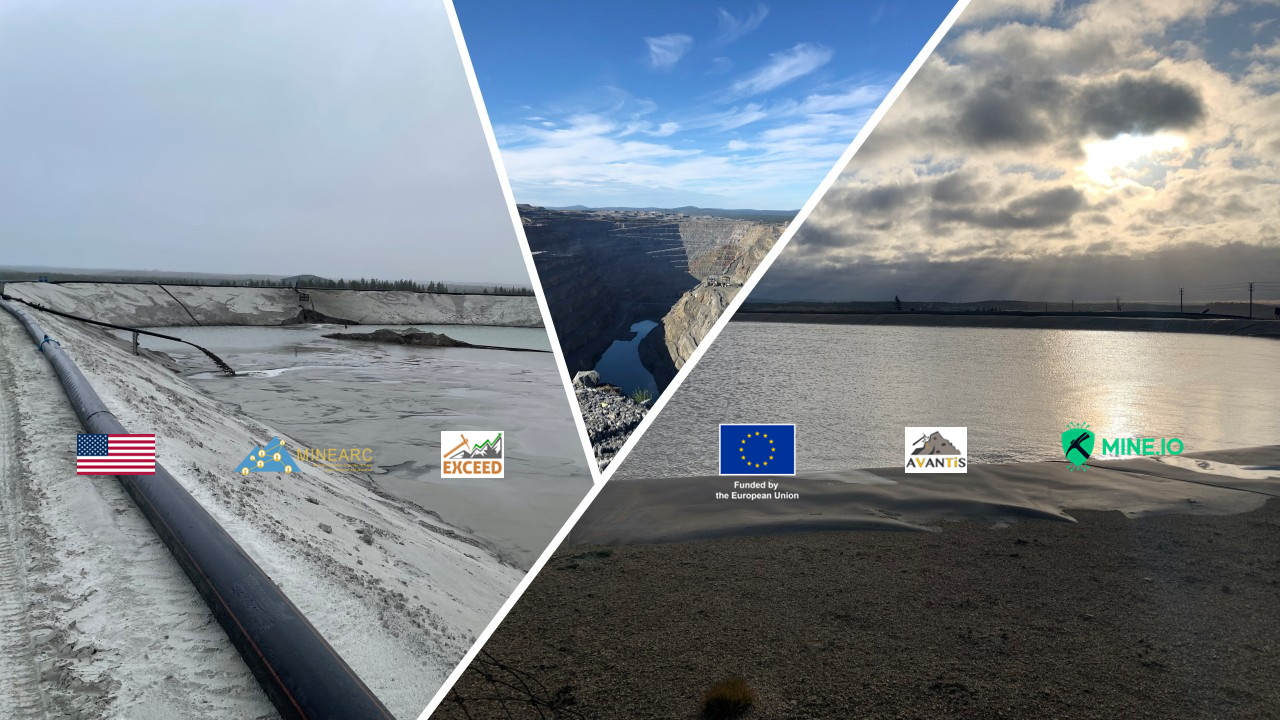
Ecovap is a wastewater disposal company that leverages biomimicry to evaporate water at 59x the normal local “pan” rate in practically any location and with any wastewater stream. Ecovap’s technology uses HDPE panels that are specifically engineered to be hydrophilic, allowing water to stick to both horizontal and vertical surface space. At site, Ecovap assembles thousands of these panels together in a “Evaporative Matrix™ to a modular size that meets the client’s water disposal need. Wastewater is poured over the Matrix, exponentially increasing the amount of water-touching-air versus a standard tailings storage pond. The result is evaporation that is 59x the normal level, even in cold areas, using practically no land. As a natural evaporative process, there are practically operating costs: i.e., no pressurizing or thermal energy, chemicals, and practically no labor or maintenance capex…just the biomimicry of Mother Nature.
Maria Sinche-Gonzalez (UOULU/OMS – FI)
Maria Sinche-Gonzalez is a Senior University Lecturer at the University of Oulu, Finland, and the main Coordinator of an Erasmus Mundus Joint Master program. With a background as a Doctor and Professional Engineer in Mineral Processing. Maria has more than 20 years of experience in the field of mineral processing engineering. She possesses an in-depth knowledge on the design and optimisation of flotation circuits as well as geometallurgy and experience with modelling and simulation software for mineral processing and flowsheet development. She has been involved in projects and technical studies related to key mining commodities – copper, lead, zinc, iron, gold, phosphate.
Abstract: Assessing water quality in mining - from discrete samples to full scale simulations
In mining operations, the water balance is an accounting of all water inputs and outputs across the site. Numerous factors must be considered, including seasonal variability, flow rates, water recycling, solid-phase composition, changes in production, waste storage facilities, multiple process streams, solid–liquid interactions, final discharges, and losses to the environment as liquids or gases, all occurring simultaneously. Modelling and simulation tools make it possible to anticipate sudden changes and long-term trends in water quality, quantify the effects of operational or seasonal changes on water flows, and evaluate water circulation by simulating changes in solution composition as minerals dissolve, precipitate, oxidize, or reduce, incorporating reaction-path modelling.
Mohamed Gad (TDS/Auroratech - SAU)
Dr. Mohammed Gad is the CEO of Auroratech Consultants, a subsidiary of Technical Development Solutions Co. (TDS) headquartered in Riyadh, Saudi Arabia, and part of the long-established Al Mousa Group. He leads strategic initiatives in water resources, environmental management, mining, green energy, and digital transformation, with a particular focus on geophysical exploration, hydro-mining, flood modelling, and AI-driven monitoring solutions. Dr. Gad’s multidisciplinary expertise spans geology, geophysics, hydrogeology, environmental science, and business management. Over his career, he has directed large-scale international projects involving national water monitoring networks, integrated groundwater-surface water assessments, contamination and tailings studies, saltwater intrusion investigations, and drone-based mineral exploration across Saudi Arabia, the UAE, Tanzania, Finland, France, and the United States. His combined technical, managerial, and strategic experience positions him as a leading regional figure in advancing sustainable resource development, water-mining integration, and circular economy solutions.
Abstract: Field-Proven Innovations in Mine Water and Tailings Monitoring: From AI Flow Measurement to Amphibious Bathymetry Robots
In this presentation, we showcase field-proven innovations that are transforming water and tailings monitoring in modern mining and supporting circular-economy objectives. We present our deployment of AI-enabled, non-contact flow measurement technologies that deliver continuous, accurate discharge data in hazardous and inaccessible environments, enhancing safety and hydrological reliability. We also highlight the role of amphibious bathymetric robots, equipped with multi-beam sonar, density plate payloads, geotechnical sampling tools, and sound-velocity profiling, in generating up to 30% more accurate pond volume and bathymetric models. These systems allow comprehensive surveying of shallow, soft, or previously unreachable tailings areas. Together, these integrated solutions improve water balance modeling, strengthen risk management, and enable data-driven decision-making aligned with responsible tailings management and circular-economy principles.
Steve Evans (EPSE - FI)
COO, EPSE Technology Inc.
Abstract: EPSE: Innovative water solutions in mining applications (tba)
Tomi Ravattinen (METSO - FI)
Director, Tailings Management & Business Development Services at METSO.
Abstract: Mining tailings and water - for value
Tailings management is crucial for sustainable mining operations. Numerous plants recirculate water from TSFs and use it in the main processes such as milling and flotation. While such an approach allows lower water intake and discharge rates, the water quality resulting from the storage in conventional TSFs is often not suitable to sustain resilient metallurgical operations. This study investigates the impact of tailings handling approach on process water quality, comparing conventional (long loop) approach against innovative (short loop) system, where water is reclaimed soon after the process. The work demonstrates how tailings management approach affects water quality, particularly physicochemical properties and ionic speciation. The data obtained indicates the role of tailings management in moving towards water and operational resilience in mineral processing (Kasymova, Saari, Heiskanen, Musuku, Dahl, Sustainable Minerals '23)
Claudio Acuña (USM-CL)
Claudio Acuña Pérez is a chemical engineer with a master’s in process control and a PhD in mineral processing, and Associate Professor at UTFSM. He specializes in sustainable mineral processing and hydrometallurgy, developing hydrodynamic measurement tools, fine particle recovery technologies, and low-impact water and brine management solutions. He holds ten patents and leads global industrial innovation and international collaboration projects.
Abstract: A new technology for high saline water: a brief introduction to extracting water from highly saline slurries using internal evaporation (tba)
Mika Mahosenaho (CEMIS-FI)
Abstract: Innovative solutions for mine waste water treatment and resource recovery (tba)
Erol Yilmaz (RTEU - TUR)
Erol Yilmaz was born on 20 October 1979 in Rize, Türkiye. He earned his B.Sc. (Hons.) in Mining Engineering from Istanbul University (2000), M.Sc. from Karadeniz Technical University (2003), and Ph.D. in Environmental Sciences from the Université du Québec en Abitibi-Témiscamingue, Canada (2010). With over 20 years of experience in academia, research, and industry, he specializes in geotechnics and mine waste management. He is currently a Professor in the Department of Civil Engineering (Geotechnical Division) at Recep Tayyip Erdoğan University, Türkiye. Prof. Yilmaz has authored over 150 scientific publications with more than 7,000 citations (H-index: 58, Web of Science) and has been recognized among the World’s Top 2% Scientists by Stanford University for five consecutive years. He serves as an editor for several leading journals published by Elsevier, Springer, and Taylor & Francis, and is an active keynote speaker, consultant, and reviewer for international journals, projects, and funding agencies.
Abstract: Tailings Source Effects on Paste Backfill Characteristics
This study examines the performance of cemented paste backfill (CPB) produced from pyritic and dam tailings with differing chemical and mineralogical properties. The research was carried out in three stages. In the first stage, the effect of low- and high-pH pyritic tailings and various OPC/Slag/Fly ash binder blends on the strength of CPB with 72% solids was evaluated. Acidic tailings and fly-ash–rich mixtures (50% fly ash) generated the lowest strengths, whereas blends incorporating greater proportions of slag achieved the best results. In the second stage, physico-chemical and micro-structural characteristics of CPB prepared from dam tailings (76% solids, 5% cement) were monitored up to 56 days. Tailings with high sulfur content caused notable strength deterioration due to acid generation, which lowered pH and damaged hydration products. In the third stage, the geotechnical behavior of CPB created with dam tailings was explored. Strength generally increased with curing time, except in mixtures with elevated pyrite content, where late-age acidification reduced pH, weakened the internal structure, and impaired long-term performance.
Petar Petrov & Veneta Stefanova (UF-BG)
Petar Petrov is an associate professor of restoration of disturbed areas at the University of Forestry (UF), Sofia. In terms of his primary research interests, he focuses on the restoration and rehabilitation of polluted areas and mining sites, wetlands, bioremediation, biodiversity conservation, environmental and ecological monitoring including remote sensing applications. Peter has managed several scientific and European projects in the fields of biodiversity protection, reclamation of disturbed areas, environmental impact assessments, climate change adaptation, environmental and ecological monitoring. Between 2020 and 2024, he served as the head of UF's Department of Ecology, Protection and Restoration of the Environment.
Veneta Stefanova is a Chief Assistant Professor, PhD at the University of Forestry, Sofia where she teaches Ecological Restoration and Reclamation of Disturbed Lands. Her work focuses on the rehabilitation of mining-affected terrains, including assessment of soil and ecosystem recovery, bioremediation approaches, and evaluation of reclamation effectiveness. She has solid applied experience through projects for Dundee Precious Metals, Elatsite and other mining operators, contributing expert analyses and restoration planning. She is the author of scientific publications on soil formation, phytoremediation and reclamation technologies, and actively participates in scientific forums and applied research related to sustainable management of mining regions.
Abstract: Reclamation of sterile rock piles generated by copper ore mining and assessment of the ongoing soil formation process
The study examines reclaimed sterile rock piles from an operating open-pit copper mine, assessed through multiple sample plots across three sub-objects at different elevations. The main objective is to evaluate the progress of soil formation and the effectiveness of biological reclamation, supported by a specially developed methodology for assessing restoration processes. The tasks include soil morphology characterization, chemical and nutrient analysis, assessment of heavy metals and metalloids, and evaluation of microbial communities. The results indicate early stages of ecosystem recovery, with accumulation of organic carbon and nitrogen, alongside observed nutrient depletion (P and K) and elevated Cu and As levels in certain plots. Overall, the reclaimed terrains show measurable but initial restoration progress, with identified needs for corrective measures to enhance recovery.
Lasse Moilanen, Chairman of the Board (BioSO4 - FI)
CEO BioSO4 Oy
Lasse Moilanen serves as Chairman of the Board of BioSO4 Oy, a Finnish company that commenced commercial activities in 2018. Under his leadership, BioSO4 has established itself as a trusted distributor of mining reagents from leading global producers. The company’s portfolio includes REACH-registered products such as xanthates, Danafloat liquid collectors, and grinding media. With a strong focus on sustainability and efficiency, Mr. Moilanen has guided BioSO4 in offering not only high-purity reagents but also comprehensive support services. These include product usage guidance, quality monitoring, environmental impact assessments, and cost-effective logistics solutions. Through its extensive international network, BioSO4 helps mining projects identify environmentally friendly and economically viable chemical solutions even before production begins.
Abstract: Reagent Optimization as a Tool for Tailings Management and Circular Economy
Tailings management is one of the most pressing challenges in modern mining, with significant implications for both environmental sustainability and operational efficiency. This presentation explores how reagent optimization can serve as a practical tool in addressing these challenges while advancing the principles of the circular economy. Drawing on BioSO4’s expertise as a distributor of REACH-registered flotation chemicals, the session highlights how careful selection and application of reagents—such as xanthates and Danafloat collectors—can improve recovery rates, reduce waste, and minimize environmental impact. By integrating reagent optimization into tailings management strategies, mining operations can achieve cleaner processes, lower costs, and greater resource efficiency. Ultimately, reagent optimization is not only a technical solution but also a pathway toward more responsible mining practices, aligning industry performance with global sustainability goals.
Marco Vera (SGS-PE)
Principal Consultant SGS Perú
Abstract: Use of ternary diagrams - mineralogical and geotechnical characterizations of flotation tailings to optimize water recovery from thickening stage and securing tailings deposit stability (tba)
Mansour Edraki (UQ-SMI - AU)
Professor and Academic Centre Director at Sustainable Minerals Institute, University of Queensland, Australia. Dr Mansour Edraki is a geo-environmental scientist specialising in the field of inorganic geochemistry. Mansour’s research has direct applications for the resources and energy industries and the impact of his work is evident in a continuous flow of industry-funded projects in the last decade. Dr Edraki has initiated research collaborations in many international locations including Indonesia (South Kalimantan and Freeport), Iran (Mehdiabad Zinc) Papua New Guinea (Ok Tedi), Philippines (USEP and Mindanao Development Authority), Korea (MIRECO and KIGAM), Peru (INGEMET), and Chile (Fundación Chile, Universidad de Concepción). Dr Edraki represents SMI-UQ at the International Network for Acid Prevention (INAP), which is a global alliance for managing the issue of acid and metalliferous drainage. He leads SMI's Environmental Geochemistry Group.
Abstract: Conceptual Geochemical Models for Tailings Reprocessing and Risk Mitigation: Examples from Queensland, Australia (tba)
Sami Virolainen (LUT - FI)
Abstract: Recovery of critical raw materials from tailings and other secondary sources in metallurgical industry
Sara Kasmaee (UNIBO - IT)
Sara Kasmaee is a mining engineer and she has got her PhD (2017) from University of Bologna- DICAM in Geostatistics. She works on 3D modeling of an Iron-Apatite ore deposit using geostatistical approaches. After her PhD, she has started working on GEOTeCH H2020, and then on several projects funded by EIT RawMaterials such as COP-Piles, BRICO-Piles and INCO-Piles project (2017 and 2022). For all the projects funded by EIT RawMaterials, she was actively participating to the proposal writing and later worked as the main research fellow. Since 2018, she works on integrating remote sensing data, geological information and boreholes data, for exploration and mining residues characterizations using machine learning and geostatistics approaches. In 2022, she has received the SEAL OF EXCELLENCE for her proposal GEORESCUE, in Horizon Europe Marie Skłodowska-Curie Actions (Postdoctoral Fellowships 2022-Global Fellow). She is the project manager of RawMatCop Alliance project, organizing the basic and advanced short courses (Applications of Remote Sensing in Raw Materials) and active member of MINEYE project, funded by Horizon Europe.
Abstract: Re-evaluating Mining Residues: Challenges and Resource Opportunities
The demand for raw materials—especially critical elements used in green-energy systems and high technologies—is rapidly increasing. Beyond primary resources, mining residues are now receiving significant attention, as they can contain substantial amounts of critical elements that were not considered during past reserve estimations or mining operations. Therefore, the detailed characterization of mining residues is essential both for environmental assessment and for the recovery of critical raw materials. Mining residues are highly heterogeneous and often difficult to sample or drill, and in many cases, only historical data are available. This seminar briefly presents two case studies—low-grade rock dumps and tailings—and illustrates how we addressed the challenges involved in their characterization and re-valorization. You will see how we combined historical records, transportation reports, remote sensing data, and, where possible, targeted sampling to monitor and evaluate the distribution of critical elements in these selected sites.
Jarmo Lohilahti (IMA - FI)
Abstract: Economic utilization of old tailings by bulk ore sorting (tba)
Päivö Kinnunen (UOULU/ FPE – FI)
Graduated from the University of Michigan with PhD in Applied Physics in 2011. He moved to Oulu in 2012 first as postdoctoral researcher, and senior research fellow at University of Oulu, before being appointed to the current position in January 2024. Now full professor focusing on inorganic materials in circular economy, especially carbon storage by mineralization using Mg-silicate minerals. Coordinating Finnish inorganic circular economy research, as well as the chair of RILEM Technical Committee on Magnesia-based cements.
Abstract: Synergies between Mg-silicate tailings, carbon storage and construction materials
Mg-silicate minerals are abundant and widely distributed on Earth’s crust, and therefore often present in mining tailings. Mg-based cements are active area of research as a low-carbon alternative to the CO2-heavy Ca-based cements. Mg-silicate minerals present a carbon-free and low-energy feedstock for alternative cementitious materials. Carbon mineralization with Mg-silicates yields magnesium carbonates that store CO2 and can be used in different construction applications. In addition, MgO is a valuable mineral, which can be recovered from tailings for added economic benefit. Taken together, Mg-silicate-containing mine tailings present a high potential for tapping into these synergies, and technology is for that is being developed.
Giovanni Grieco (UNIV_MILAN - IT)
Prof. Giovanni Grieco is an Associate Professor at the University of Milan, Italy. He teaches courses on georesources, covering topics from ore deposits and sustainability to raw materials, industrial applications, and georesources education. His research, documented in over 60 peer-reviewed papers and more than 120 other scholarly contributions, spans three decades and focuses on ore deposit formation, post-genetic processes, mining-related environmental hazards, and beneficiation technologies, with a particular—though not exclusive—emphasis on chromite and Platinum Group Minerals. He serves on the board of experts for the Italian National Exploration Plan, which aims to support the objectives of the EU Critical Raw Materials Act.
Abstract: A circular economy approach to abandoned mine wastes and tailings reuse: case studies from Sardinia, Italy
Circular economy driven recovery of Critical Raw Materials is a global priority and a must in EU, following the issue of CRMAct in 2023. The Italian context is characterized by the attention to proceed balancing the focus on the economic pillar of sustainability with actions addressed to the social and environmental pillars. A workflow aimed to provide mining companies a preliminary assessment of CRM recovery potential from different kinds of mining and metallurgical wastes at abandoned mining sites is proposed. The workflow, to be used as a tool for the implementation of the Italian Exploration Program, transposing the CRMAct directives, is based on the use of in site or extra site mining wastes for buffering Acid Mine Drainage in a frame of contextual CRMs recovery and environmental remediation. Case studies and work in progress examples are reported from Sardinia mining districts.
Olcay Ayouglu (UOULU/OMS - FI)
Olcay Ayoglu is a Doctoral Researcher in the mineral processing team at the Oulu Mining School, University of Oulu, Finland. Her research focuses on investigations of flotation hydrodynamics on fine particles recovery from primary and secondary sources with both pneumatic and hybrid flotation systems. She holds both a Bachelor's and a Master of Science (Technology) degree in mineral processing and has developed a strong background in flotation technologies. She is involved in a wide range of collaborative research activities at national and international levels, and she is currently working on the CINTEM project, funded by Business Finland. Her work contributes to the advancement of efficient, sustainable solutions for the processing of complex and fine-grained ores.
Abstract: Ultrafine Magnesite Flotation From Dolomite-Rich Tailings
Separation of ultrafine magnesite from dolomite tailings is challenging due to the poor floatability of fine particles and the similar surface characteristics of magnesite and dolomite. This study explores the application of a laboratory-scale pneumatic Imhoflot™ V-018 flotation cell (vertical feed, V-cell type, 180 mm diameter) to enhance ultrafine magnesite recovery. Flotation experiments studied the effects of two different aerators with varying diameters, pulp densities, air flowrates, and feeding positions on the magnesite grade, recovery, kinetics, and selectivity of separation of magnesite from dolomite, quartz, and calcite. The highest magnesite recovery (86.4% experimental; 87.1% modelled, k = 0.09 min⁻¹) occurred at 4 L/min air flowrate, and the maximum grade (78.8%) was achieved with a 4.8 mm nozzle size of a venturi cascade aerator. Additionally, the venturi cascade aerator achieved better selectivity across all mineral pairs compared to the standard venturi aerator, with the highest selectivity index (SI = 5.2, magnesite/quartz).
Adeolu Adediran (UOULU/FPE - FI)
Adeolu Adediran is a Postdoctoral researcher in Fibre and Particle Engineering at the University of Oulu. Adeolu Adediran had B.Sc. in Civil Engineering from University of Agriculture Abeokuta, M.Sc. in Civil Engineering from University of Ibadan, M. Tech in Process and Environmental Engineering from University of Oulu and PhD in Process and Environmental Engineering from the University of Oulu. Adeolu Adediran has over 10 years of experience in research & development, teaching, leadership and project management capacities. He has expertise in concrete technology, cement chemistry, low-carbon binder, material science, circular economy and sustainability. His focus is upcycling industrial side streams into sustainable construction materials, aiming to reduce natural resource depletion in response to growing infrastructure demands. His work involves developing treatment methods to transform the mining and urban waste into secondary raw materials for applications in construction, mining and other allied sectors. Technically, Dr. Adediran's research extends to enhancing the reactivity of mining and urban wastes for applications such as binders, ceramics, and fine aggregates, complying with the concept of circular economy, zero waste and sustainability.
Abstract: Upcycling spodumene tailings and volcanic ash in ceramic production: An overview of the properties
Vast amounts of volcanic ash (VM) are produced annually from volcanic eruptions, with the majority being deposited in urban and sub-urban areas due to the lack of legislation regarding its disposal and recycling. To address this issue, this study explores the reuse of VM as a mineral additive in spodumene tailings-based ceramics for construction. In this study, spodumene tailings (QFS) were used as the primary precursor for ceramic production. The effects of QFS milling, VM incorporation, and sintering at different temperatures (950 °C, 1050 °C, and 1150 °C) were investigated through different characterization techniques. The experimental results demonstrated that milling QFS and incorporating VM as a mineral additive significantly improved the composite ceramics' high-temperature performance. These improvements included reduced voids and cracks along with enhanced residual strength, and densification, compared to ceramics produced with unmilled QFS or without VM. The densification and strength gains were primarily attributed to the partial melting of the QFS and VM particles from approximately 1050 °C. At this temperature, the formulation comprising 60 wt.% milled QFS and 40 wt.% VM achieved a high compressive strength of 45 MPa and a low water absorption rate of 5 %.
Raul Mollehuara-Canales (UOULU/OMS - FI)
Dr Raul Mollehuara-Canales is a researcher at the Oulu Mining School in Finland, specializing in hydrogeophysics, hydrogeology, and geochemistry of mining environments. His study focuses on the management of mine water and waste (including tailings facilities) from both a risk mitigation and a valorization perspective for secondary mineral resources in a digitalized framework. Raul earned a PhD in Mining Engineering and Mineral Processing (Hydrogeophysics), an MSc in Water Resources Management (Hydrogeology in Mining), and a PEng in Chemical Engineering. He also has over 20 years of expertise in the mining industry, having managed sites, operations and projects involving mineral processing, mine water treatment, mining waste management, tailings facilities, environmental rehabilitation, and mine closure.
Abstract: Electrokinetic assisted tailings management - an operational paradigm transitioning from risk mitigation to resource recovery
In the highly regulated and demanding mining industry, risk control has long been the main objective of achieving and complying with regulations throughout the mining life cycle. The low concentrations of residual elements and minerals in tailings make off-site reprocessing and value extraction difficult from a technical and economic standpoint. Furthermore, tailings facilities are typically liabilities rather than enabled assets.
Risk control, resource extraction, and long-term tailings operational improvement are the three main goals of this ambitious paradigm shift from the traditional operational paradigm of managing tailings. This presentation introduces the electrokinetic (EK), in-situ recovery (ISR), and operational risk management (ORM) approach, in order to achieve this multi-functional in-situ strategy suited for fine-grained, low-permeability materials such as tailings. We highlight the state of the art and leverage the developments of electrokinetic in industrial and environmental applications. From the tailings management perspective we discuss the development outlook and regulatory implications for an integrated system using EK-ISR-ORM.
Inka Orko (VTT - FI)
Ms. Inka Orko works at VTT Technical Research Centre of Finland as Head of Business Development, in the business area of Sustainable products and processes. Her team supports the transition of new sustainable technology concepts materials into the market. Inka holds a MSc and Licentiate of Science (post graduate) degree from Helsinki University of Technology, in environmental engineering. Inka is a long-term hands-on tech developer and advocate of circular economy and sustainability. Her recent commitments include CINTEM Circular-Integrated Mining, where Inka co-leads a work package. Inka participated in the national minerals circular economy working group and the growth company program group, both lead by the Finnish Ministry of Economic Affairs and Employment. She has also developed several circular economy projects and initiatives, such as Circular Design Network, an RTO collaboration and a Research Council of Finland project. She was also initiating the national Circular Design program in 2023 for the Finnish Ministry of the Environment. Inka’s circular economy publications include reports and articles in circular minerals, data and ecosystems, such as A circular economy framework for assessing minerals processing concept options; Ecosystems in the circular economy, Data-Driven Circular Design: A Guide Book; Development of a Qualitative Tool for Sustainability Assessment and Application of the Tool to Benchmark Electronic Smart Labels; Kiertotalouden innovaatioekosysteemit ja arvonluonnin mahdollisuudet; and Data Platforms as Tools for Circular Economy. She has also published in technology concepts development, such as The Jarogain Process for Metals Recovery from Jarosite and Electric Arc Furnace Dust: Process Design and Economics.
Abstract: Transitioning to holistic minerals processing via circular design - the framework and a case
Mining operations generate significant waste, with rock-to-metal ratios reaching 10⁵–10⁶ for precious metals and about 10¹ for iron ore and aluminium (Nassar et al. 2022). Most extracted material becomes waste rock or tailings, leading to resource inefficiency and potential environmental risks (Kinnunen et al. 2022). While recycling residues through circular economy principles can enhance resource utilization, economic and technical barriers often limit recovery from both primary and secondary sources unless the main processes are specifically designed for a broader product scope. A holistic process design—tailored to the mineral deposit and integrating pretreatment and processing towards a variety of products—can minimize waste and maximize value. This approach also supports resilience and supply security in a changing geopolitical context (Jones et al. 2022). However, such added value or circular-by-design concepts may bring forward new trade-offs (Unal and Sinha 2023), for example between process yield, energy consumption and waste generation. To address these we are developing a framework based on previous work (Hakola et al. 2024, Saari et al. 2024 and Howard et al. 2019) that compares the environmental, financial and technical benefits and disadvantages of different circular process options. The goal is to apply the tool towards developing optimal circular concepts that balance market needs, technology, environmental impact, and economic viability. The framework is under development within the Finnish CINTEM project (Business Finland 2025-27) and aims to embed circular economy principles throughout the mining value chain.
Juan Menendez-Aguado (UNIV_OVIEDO - ES)
Prof. Juan Menendez is a Full Professor of Mineral Processing Technology at the University of Oviedo and, since 2023, he has led the Asturias Raw Materials Institute at the same university. He earned his PhD at the University of Oviedo with a thesis on mathematical simulation of energy consumption in rock fragmentation. His main research interests are energy efficiency in comminution, grinding kinetics, mineral liberation, and sustainable concentration of mineral raw materials, including the recovery of critical metals from industrial and mining residues. He has participated in over 120 public and private research, technology-transfer, and academic projects, resulting in more than 80–90 scientific publications, many in indexed journals. He has supervised more than 25 PhD theses. He has served as a visiting professor in more than a dozen universities in Latin America (Argentina, Chile, Colombia, Cuba, Ecuador, Peru, Venezuela). He has been a member of the Society of Mining, Metallurgy & Exploration (SME) since 2004 and of the Society of Mining Professors (SOMP) since 2013. He has been part of expert evaluation panels for EU research funding (FP6, FP7, H2020, Horizon Europe) and serves as a reviewer for leading journals in mineral processing and environmental engineering.
Abstract: Mineral Raw Materials and the Circular Economy: Bending the Chain to Ensure Sustainable Development
This presentation examines the evolving role of mineral raw materials within the broader framework of sustainable development and the circular economy. It highlights how traditional one- and two-dimensional development models have overlooked environmental and social impacts, leading to production relocation, the loss of industrial capacity, and a growing reliance on external suppliers. As global demand for critical raw materials accelerates—especially amid clean energy transitions—key questions emerge about the balance between primary extraction and recycling. The analysis shows that, although recycling is essential, it cannot meet projected demand alone due to technological, economic, and material constraints. The presentation also addresses the growing challenges of tailings management, resource efficiency, and the need to integrate circular principles across the mineral value chain. Through several case studies, the presentation demonstrates innovative pathways to “bend the chain” toward more resilient and sustainable mineral resource systems.
Junhua Xu (GTK - FI)
Junhua Xu is a Research Scientist / Project manager at the Geological Survey of Finland (GTK), specializing in mineral processing and hydrometallurgical process optimization. His work focuses on chemical engineering and hydrometallurgical methods, such as mineral pretreatment, filtration, leaching, ion exchange, solvent extraction, electrodeposition, selective precipitation, and crystallization, contributing to the development of sustainable mineral processing and resource recovery technologies.
Abstract: Understanding Direct Lithium Extraction through Modeling and Mechanism Analysis
This study aimed to provide new insights into lithium (Li) sorption and extraction mechanisms by systematically investigating the structure, surface properties, and defect vacancies of both doped and undoped manganese oxide sorbents. HMnO and Al-doped HMnO sorbents are successfully synthesized, and their formulas and vacancy ratios are determined using X-ray diffraction (XRD), Fourier transform infrared spectroscopy (FTIR), Raman spectroscopy, thermal gravimetric analysis (TGA), X-ray photoelectron spectroscopy (XPS), and inductively coupled plasma-atomic emission spectroscopy (ICP-AES) characterization. Among the materials tested, HMO-2.5Al exhibited the best performance in batch sorption experiments, enhancing Li+ sorption to 44.49 mg g−1 and reducing Mn loss to 3.38%. HMO-2.5Al also demonstrated exceptional lithium selectivity in the simulated brine test, with separation factors of 𝜶Li Ca, 𝜶Li Na, 𝜶Li K and 𝜶Li Mg being 3.33, 353.08, 1327.44, and 6552.76, respectively. The sorbent displayed sustained durability before and after five cycles of sorption-desorption. The ion exchange-surface complexation model is employed to investigate the titration behavior, pH effects, and sorption isotherms, providing insights into the mechanism underlying Li+ sorption. A two-stage sorption mechanism is proposed, involving a surface ion exchange reaction and a surface complexation reaction. Overall, the synthesized HMO-2.5Al sorbents demonstrate significant potential for direct lithium extraction from solutions with high concentrations of coexisting ions and contribute a novel mechanism to the field of lithium extraction study.
Laura Rahikka (HYCAMITE - FI)
Laura Rahikka is a Founder & CEO of Hycamite TCD Technologies. She has an M.Sc. (tech) in process engineering and has more than 25 years of extensive experience in both industry and academia. She is a talented industrial leader, renowned for her ability to build high-performing teams and lead with integrity and vision. In addition to her executive role, she serves on several positions of trust, board, and committee memberships
Abstract: Pioneering low-carbon graphite and hydrogen production - case HYCAMITE (tba)
Maria Mantyla (HANNUKAINEN - FI)
Maria Mäntylä is an Environmental Engineer (M.Sc. in Environmental Engineering) working for both Tapojärvi Oy and Hannukainen Mining. She is an environmental specialist with experience in advancing environmental permitting processes and contributing to diverse development projects within the mining sector. A key focus of her work is promoting sustainable mining practices, including the implementation and development of the Towards Sustainable Mining (TSM) Finland framework within the company. She also contributes to strengthening corporate-level environmental management practices in close collaboration with the parent company. Combining solid technical expertise, strong collaboration skills, and a commitment to driving sustainability, she works to embed responsible practices across all levels of the organization.
Abstract: Tapojärvi and Hannukainen Mining – Building the Mine of the future
This presentation showcases how Tapojärvi and its subsidiary Hannukainen Mining integrate circular economy principles into modern mining operations. Tapojärvi, an industrial circular economy expert, focuses on maximising the reuse of mining and industrial by-products by transforming them into low-carbon products that replace virgin raw materials. Hannukainen Mining is re-establishing the former Kolari mine with a design philosophy built on circularity, sustainability and efficient resource use from the very beginning. The presentation introduces practical circular solutions applied throughout the mining value chain. Together, Tapojärvi and Hannukainen Mining demonstrate how mining can contribute to the green transition by minimising waste, reducing emissions and closing material loops. Reopening a mine in an already disturbed area is itself a significant circular act, reinforcing the principle of “from tailings to tomorrow”.
Rodrigo Serna (AALTO - FI)
Abstract: Data-driven process design for direct recycling of lithium-ion batteries (tba)
Elif Yilmaz (KTU- TU)
Elif Yılmaz is an Assistant Professor in the Department of Mining Engineering at Karadeniz Technical University (KTU) in Trabzon, Türkiye. She earned her BSc (2012), MSc (2016), and PhD (2024) degrees in Mining Engineering from KTU. Dr. Yılmaz’s research focuses on mineral processing, ore preparation and enrichment, gravity and heavy-media separation, and metal recovery from electronic waste. She also works extensively on sustainable materials recovery and environmentally friendly hydrometallurgical technologies, with an emphasis on organic lixiviants, green chemistry, and circular economy applications. Dr. Yılmaz has published in national and international indexed journals and contributes to research projects aimed at advancing cleaner production, process design, and sustainable mineral recovery.
Abstract: Sustainable Recovery of Copper from Electronic Waste as a Secondary Resource
Electronic waste (e-waste) has become the fastest growing type of solid waste worldwide, causing significant environmental problems on the one hand, while on the other hand having significant potential for the recovery of metals as a secondary resource. E-waste contains metals such as copper, which are valuable and used in electrical, electronic, and renewable energy technologies. From this perspective, copper is of critical importance. WPCBs, an important component of e-waste, contain around 100-350 g/kg. However, e-waste has a heterogeneous structure consisting of metals, polymers, ceramics, and multilayer composites. Mechanical pretreatment, pyrometallurgical, hydrometallurgical and bio-hydrometallurgical leaching methods are generally applied. These processes offer sustainable recovery options such as low reagent consumption, reduced carbon footprint, and high selectivity in metal recovery. In this form, the recovery of copper from e-waste contributes to circular economy goals with significant advantages such as the conservation of natural resources and reduced dependence on primary resources. This study examines copper recovery processes in terms of zero waste, carbon emission reduction, and clean production technologies.
Add event to your calendar